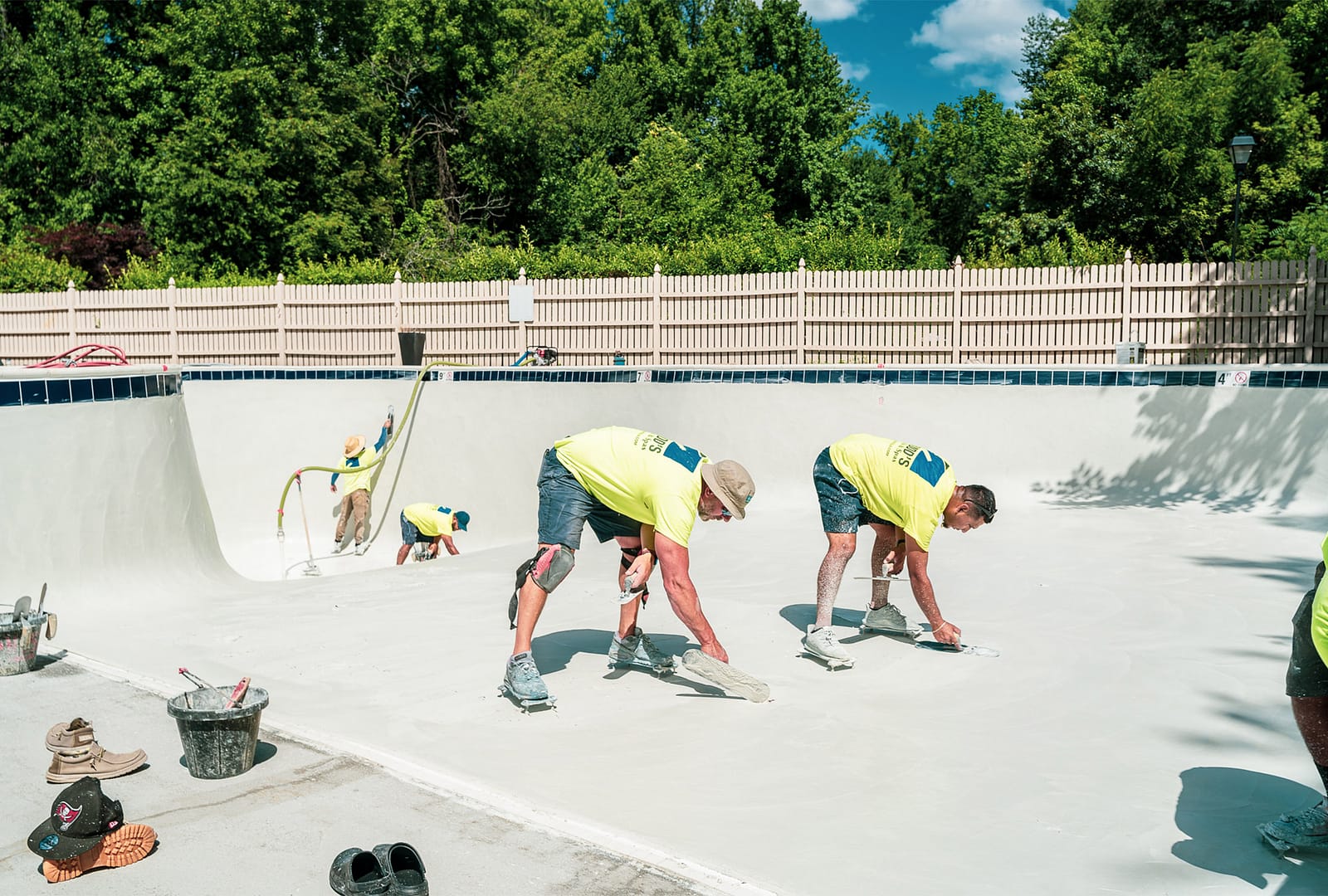
Plan Well: The Right Way to Build Your New Pool
If you’ve made your way to this blog article, you’re probably looking to build the best pool and outdoor living project that fits your style and budget. Following are four useful tips we’ve found most helpful over 65 years of building pools and spas:
- Look for a pool designer who can translate your lifestyle, your vision, and your outdoor space into a beautiful and architecturally harmonious design.
- Remember that beautiful projects have to be buildable projects. A designer who doesn’t have deep experience building pools can create a beautiful plan that runs up against environmental, regulatory, and construction hurdles.
- Seek a pool designer/builder who gets the details right on paper, before the concrete gets poured.
- Lasting pool and spa enjoyment—and value—needs long-term care. The best builders come with an exceptional service team with the same commitment to perfection.
Beware the “free” pool plan
Some are tempted to save with a “free” pool plan from a low-cost builder. At best, they’ll get a generic plan and a pool dropped in the middle of the backyard. At worst, they’ll discover hidden trouble after the pool is built.
How builders really price a pool project
All pool builders have a target profit margin they must achieve to stay in business. One way some builders choose to offer a lower price is by skipping the laborious effort that goes into a creative, detailed plan, specific to your property. When a low-priced builder runs into complications during construction—and there will be complications—they cut more corners to preserve their profit margin.
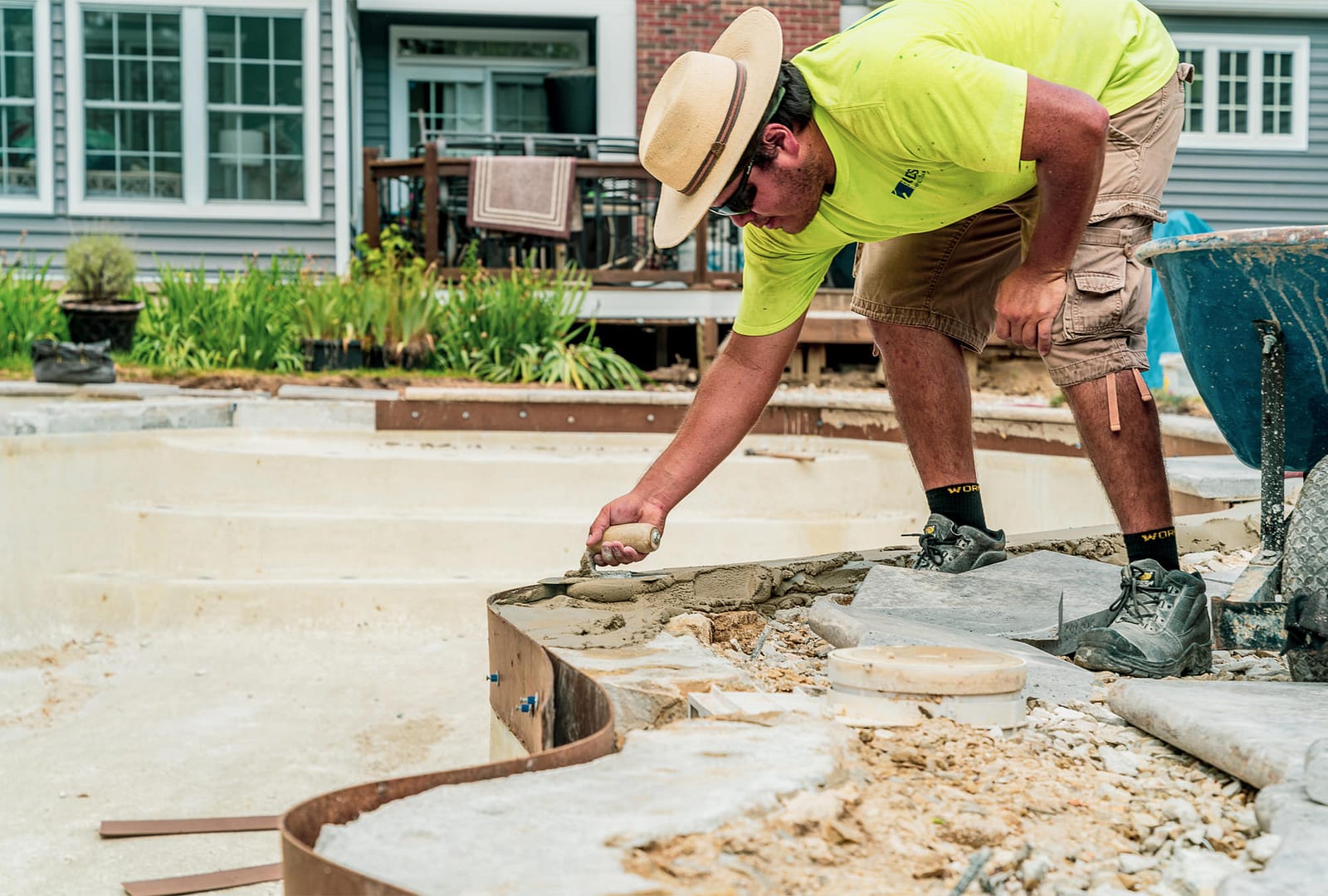
Build the way a pool should be built
The best protection against hidden defects that cost more later is to work with a design/build company that reveals all the costs upfront. When we engage in a new pool project at Budd, we explore the hard questions and uncover all the extra details that go into a well-planned project. There are the four principles we follow in our plans:
- Find and Solve Problems: The most cost-effective plan starts with facing and solving potential problems in the planning phase. That’s the only time when costs are easily controlled.
- Cut the Fluff, Never the Essentials: Work through the problems uncovered and make cuts, if necessary, in the nice-to-have things. Never cut what’s essential to safety and sustainability.
- Explore Options: Offer design options that can provide savings with little or no sacrifice to your plan. Look for savings that can be applied to the enhancements that really count.
- Think about the Future: Consider planning ahead for future enhancements. It can save considerable building time and cost when you’re ready to add on or update your outdoor living area.