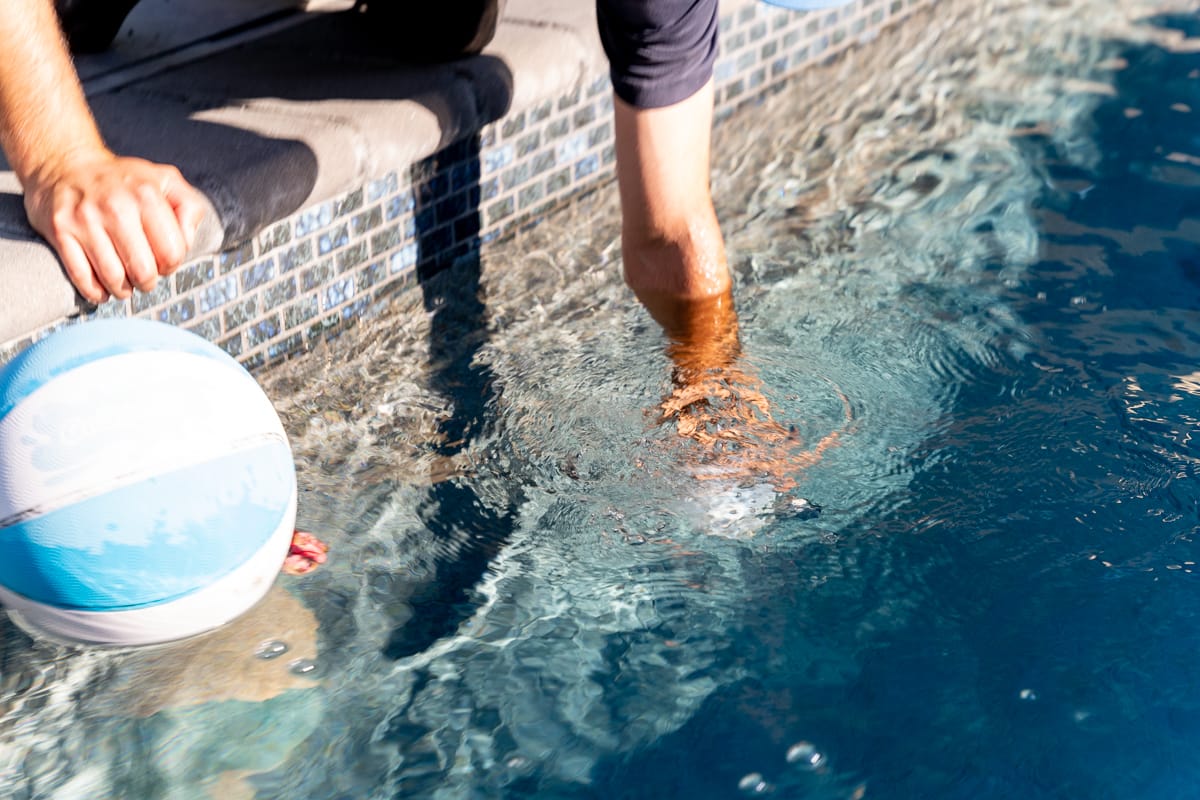
Proper pool water protection starts with frequent water samples
You Can Do it Yourself, But Can You Do it Right?
Caring for your swimming pool isn't the same as mowing your grass.
DIY is as American as a July 4th pool party, but be careful what tasks you choose. As Harvard Professor Roland Fryer observes, “Americans are obsessed with doing things ourselves.” (The Economics of DIY, The Wall Street Journal, July 17, 2025). “We clean our houses, he writes, “assemble our furniture and grill our burgers—even when we’d be better off hiring someone else.”
Fryer admits he enjoys mowing his lawn. But he realizes it’s a repetitive summertime task that keeps him from golfing with friends or spending more time with his kids. He concludes:
“If Americans put a fair price on their time—on their short- and long-term health, and their kids’ well-being—more households would outsource more DIY projects. We would do well to swallow our pride, hire some help, and buy back our lives.”
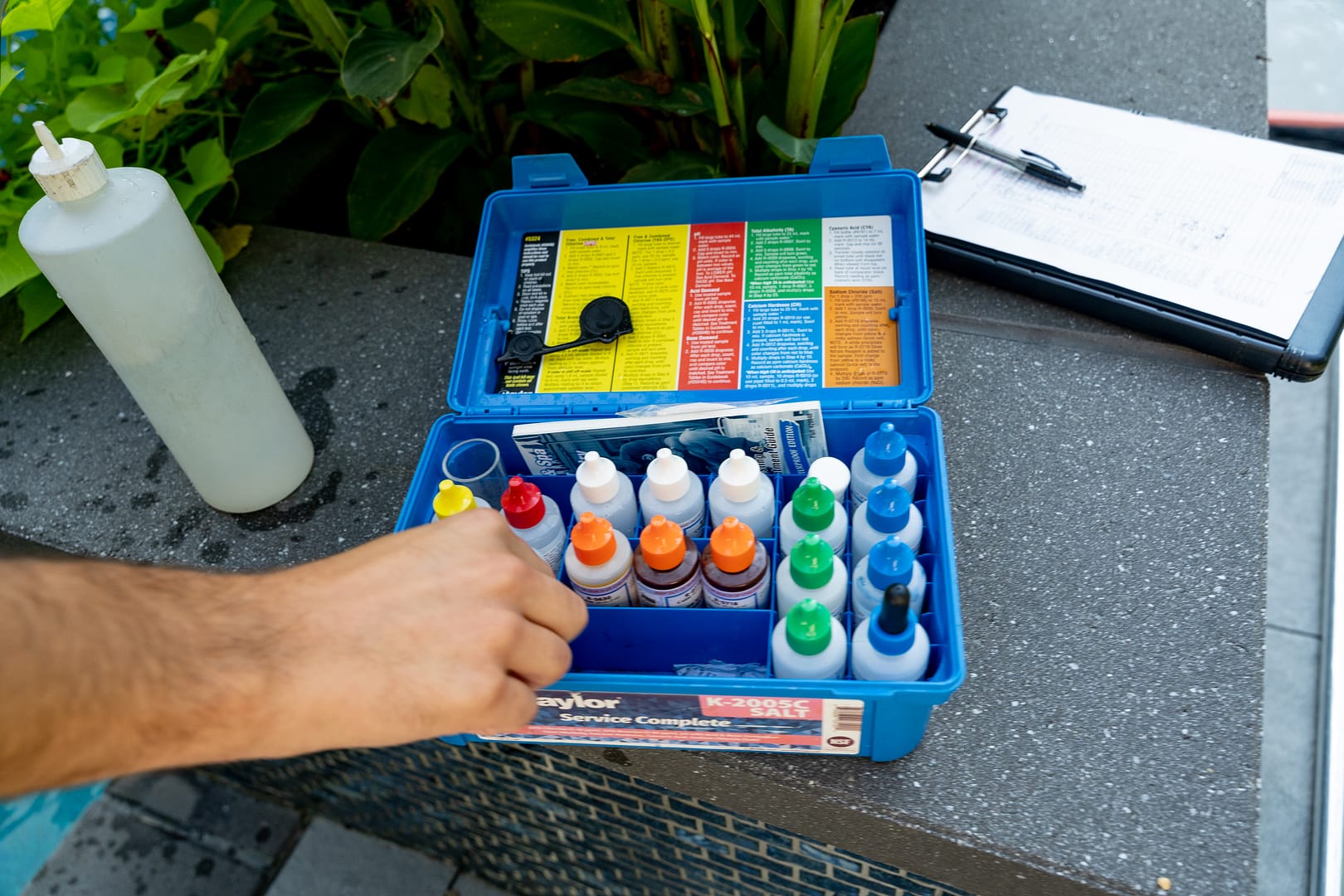
Proper testing of water samples onsite provides the most accurate information
Adding DiR to your DIY value equation
For simple household chores, differences in quality are largely inconsequential between DIY and hiring it out. As tasks grow more complex, however, a quality measure becomes increasingly important.
Take, for example, Fryer’s personal passion for mowing his grass. There’s little risk his lawn care efforts could spoil a backyard Independence Day party. If he were doing his own pool care, however, the risk increases.
When looking good isn’t good enough
If your lawn looks good after you’ve mowed it, you know you’ve done a good enough job. On the other hand, no one can be sure the pool water is safe just by looking at it. Here are just a few of the risks when your lovely, clear water hasn’t had proper testing and maintenance:
- Minor eye and skin problems
- Serious health complications, such as lung irritation and infections
- Eventual serious damage to the pool and equipment
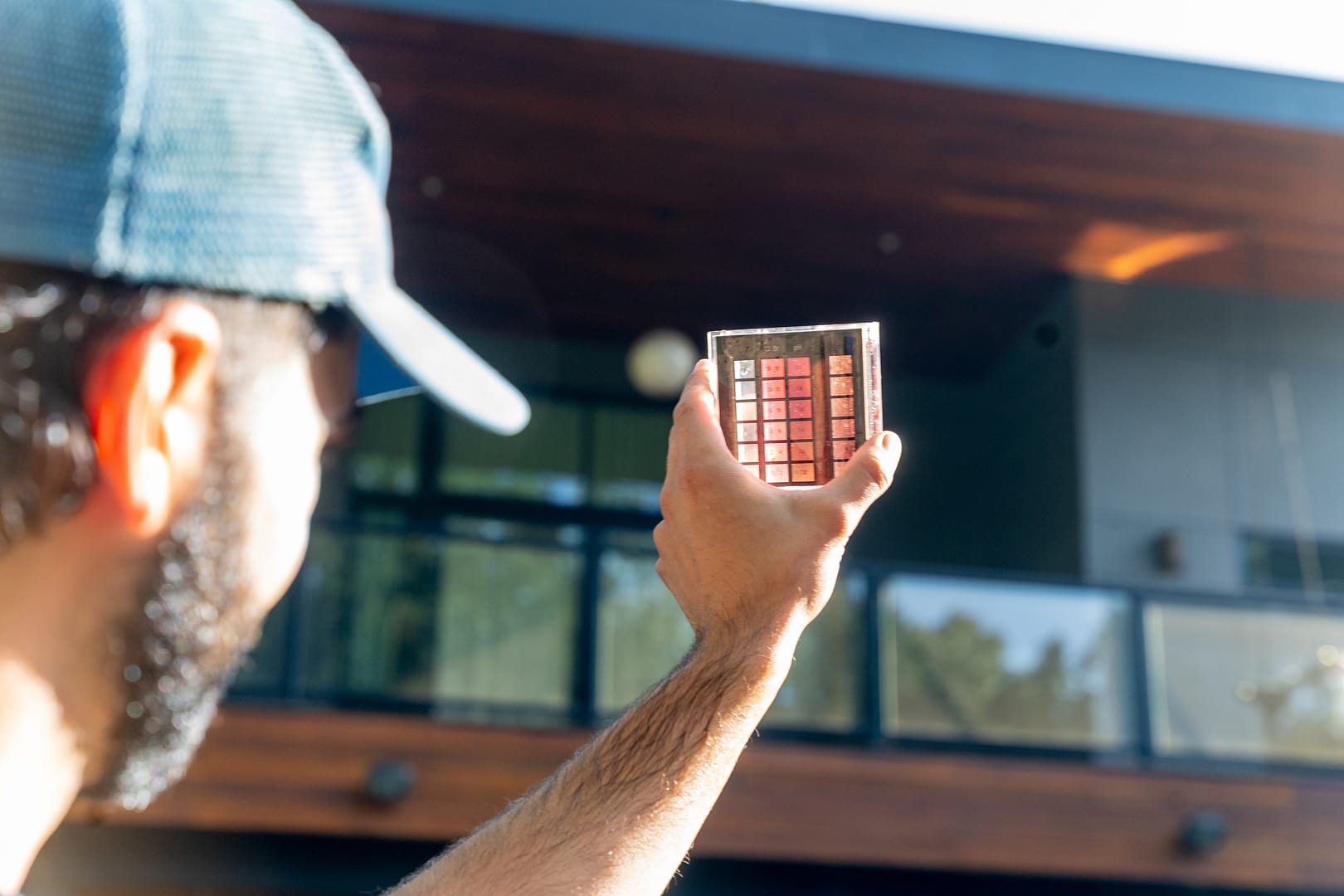
Testing and maintaining water balance is the least understood and most important task
In our example, on a hot July day, the water in a party-filled pool can change in just two hours. Unless you have an automated system, you’d need to check the water frequently and make adjustments if needed. That’s not a problem if you have a good test kit of your own, know how to use it, and know what to do if the water needs correction. You’ll also be far ahead of the game if the pool water was maintained—by you or a professional service—at its optimum before the party started.
Water care done right
Pools require frequent, consistent, and qualified water testing and maintenance. There are pool owners who have the time, dedication, and know-how to do it right. But before you decide to save money by doing it yourself, understand the steep learning curve and level of commitment required.
Not all help is qualified help
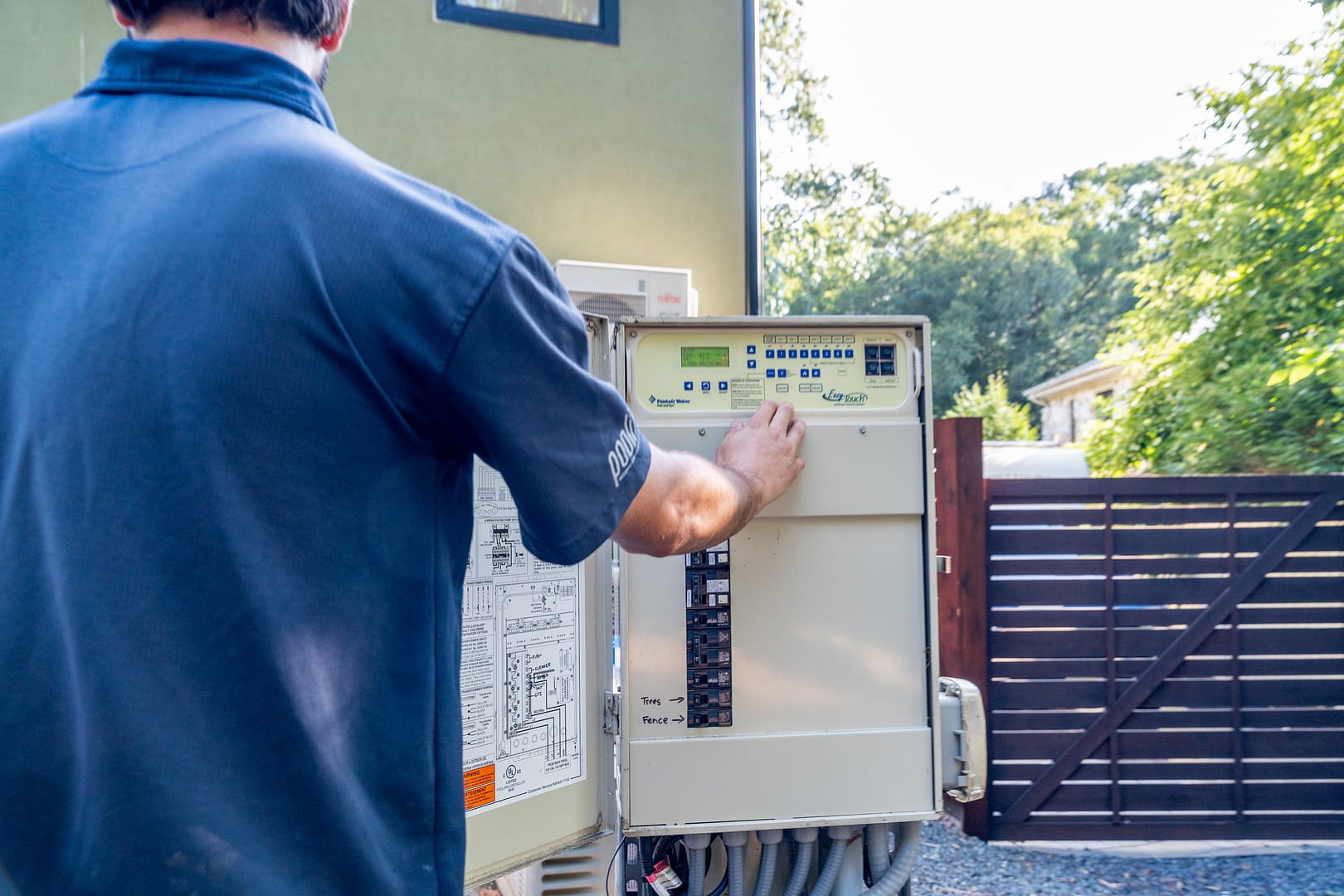
Automated systems help keep water safe and can be configured for remote monitoring
Hiring out pool maintenance isn’t helpful if you don’t get a qualified organization with certified technicians and a commitment to quality care. If it’s a matter of a limited pool maintenance budget, beware of choosing the lowest bid or the cheapest freelancer. You may be better off investing your time and limited budget in learning about pool maintenance and committing to doing it right.
More help is on the way
Whether you choose DIY or a professional pool maintenance service, it pays to know the basics of water chemistry and how your pool system functions. If you purchase a Budd pool, our technicians will cover all those details with you, and our techs are happy to answer questions.
For more information, you can find countless books, blogs, and YouTube channels about pool maintenance and water care. Some are helpful, but not all can be trusted. You will likely run across misinformation or incomplete explanations on the Internet. At Budd, we’re working to correct the problem through this blog and our new YouTube channel. We’ve started a Resources page where we’ll keep an updated catalog of information and demonstrations from our blog, YouTube channel, and other trustworthy sources.